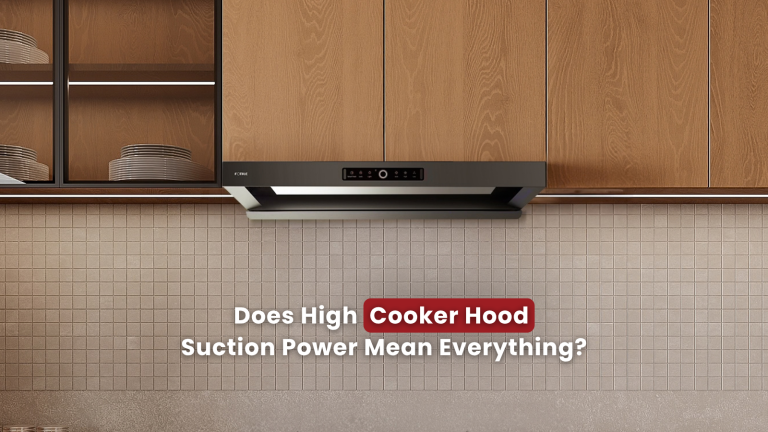
“The higher the number, the better right?”
When buying a range hood, one of the first specifications many homeowners look at is suction power.
Not necessarily. A high suction power figure may sound impressive, but it does not tell you the complete story. A cooker hood’s actual performance depends on several factors, including your noise level, smoke-capturing design, and installation environment.
Before choosing a cooker hood based on suction power alone, here are some important questions to ask.
1. Will Your Range Hood Be Too Noisy for Your Kitchen?
High suction power is important for effective smoke capture, but powerful performance should not necessarily mean a noisy cooking experience.
One key factor to consider is the motor and airflow design behind the cooker hood. Rather than looking at suction power alone, pay attention to how the hood is engineered to manage airflow, vibration and operating noise.
FOTILE offers various cooker hood models equipped with a Noise + Vibration + Harshness (NVH) system, paired with BLDC motors and multiple noise-reduction technologies to achieve powerful yet quieter operation.
For example, the Bionic Wings Impeller, inspired by the structure of eagle feathers, is designed to reduce wind resistance and create smoother airflow, helping to minimize operating noise. The Nautilus Air Passageway is also designed to reduce airflow turbulence. By allowing air to move more smoothly through the hood, it helps deliver a quieter and more comfortable cooking experience.
So, when comparing cooker hoods, don’t simply ask:
“How much suction power does it have?”
Also ask:
“How is the motor and airflow system engineered to balance effective smoke capture with quiet operation?”
2. Does the Suction Inlet Design Really Improve Smoke Capture?
Some cooker hoods use special suction inlet or panel designs to create a particular airflow pattern or achieve a more streamlined appearance. However, a visually impressive design does not automatically guarantee better ventilation performance.
Multiple suction inlets do not necessarily mean stronger or more effective extraction. What matters is how the entire suction structure directs airflow and captures cooking fumes at the source.
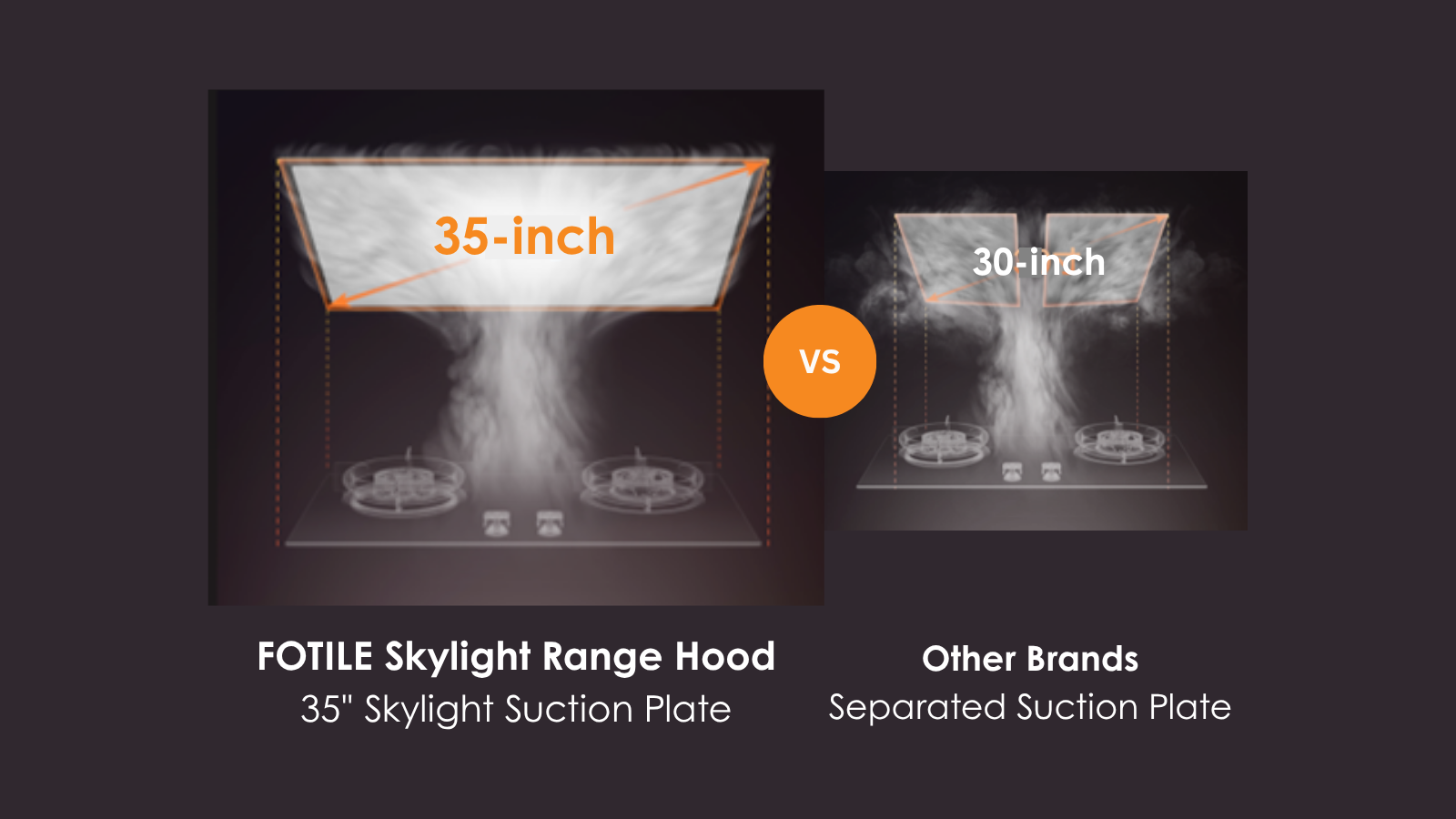
Take the FOTILE Skylight Range Hood as an example. Instead of using separated suction plates, it features a 35-inch Skylight Suction Plate with a single, large-area suction surface designed to provide more focused smoke coverage across the cooking area.
With a continuous suction surface, the airflow is concentrated across the wider capture area, helping minimize potential pressure gaps between separate suction zones where cooking fumes could otherwise escape.
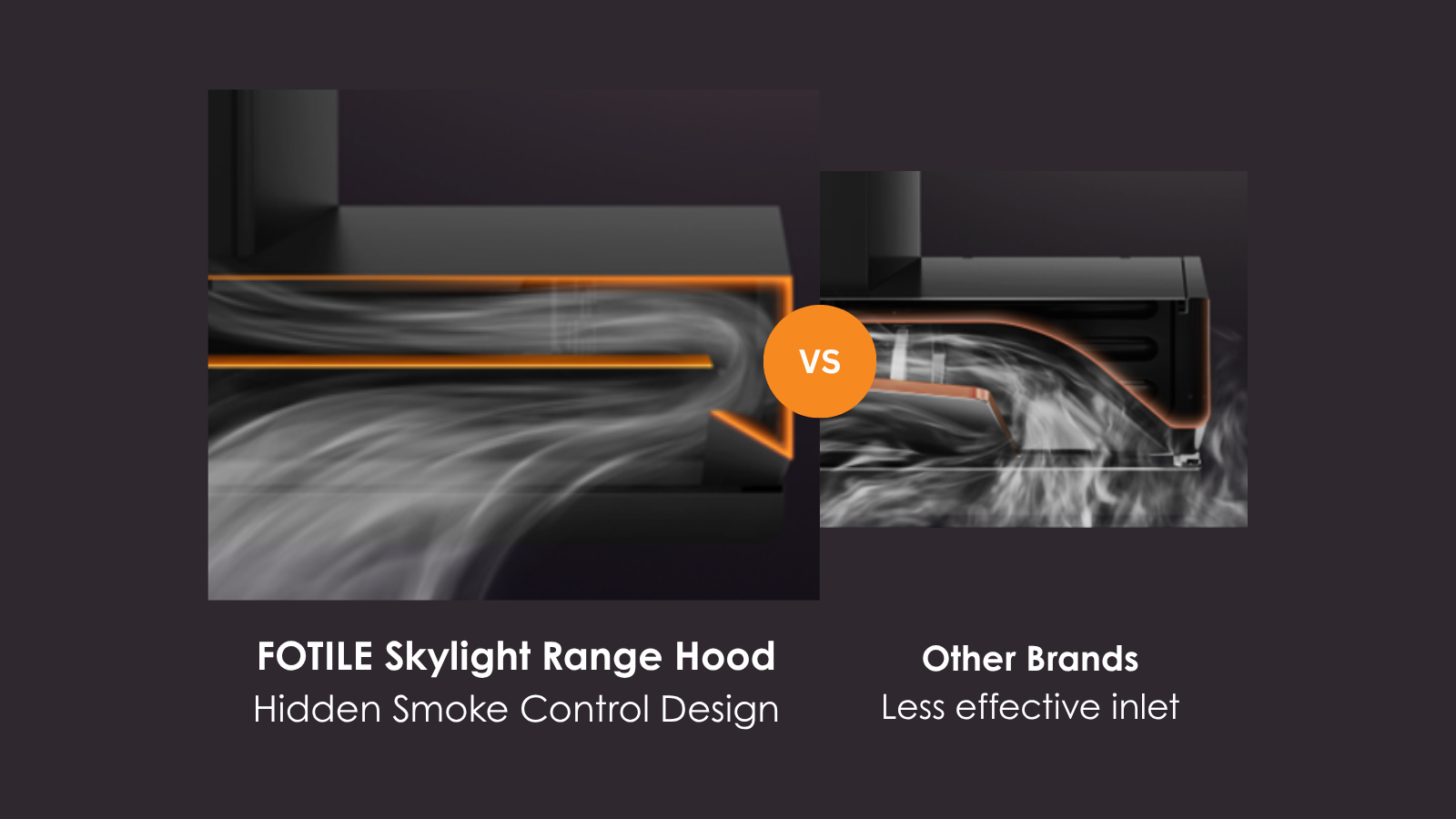
The design also incorporates a Hidden Smoke Control Design that guides rising cooking fumes into the suction path, helping improve smoke capture efficiency.
3. Does Your Home Allow External Ducting?
Before installing a cooker hood, check whether your home allows external ducting.
- Ducted installation: Cooking fumes are exhausted outdoors. However, a ducting hose that is too long or has too many bends can increase airflow resistance and affect smoke extraction performance. Consult your installer or contractor beforehand to ensure the ducting route is suitable for your kitchen layout and allows efficient smoke extraction.
- Charcoal filter installation: If external ducting is not allowed or practical, a charcoal filter can help to filter cooking smoke and impurities before the filtered air is returned to the kitchen.
Another factor to consider is whether your cooker hood can maintain extraction performance when ducting resistance increases. FOTILE has cooker hood models that are equipped with Auto Turbo System, which automatically increases extraction power when resistance is detected, helping maintain effective smoke extraction.
4. Does Your Cooker Hood Suit Your Kitchen Environment?
Not all cooker hoods have the same installation requirements. Some models are designed to be installed closer to the hob, while others require a greater clearance.
Installing a cooker hood too high may allow cooking fumes to spread before they reach the suction area, while installing it too low may interfere with cooking or compromise safety.
The recommended installation height can vary depending on the cooker hood model, hob type and specifications.
Always check the recommended installation height for your specific model and consult your installer or contractor to ensure the hood is positioned correctly for effective smoke capture and safe operation.
Final Thoughts
High suction power is one of the considerations when buying a cooker hood, but it shouldn’t be the only deciding factor. From motor engineering and suction inlet design to ducting requirements and installation height, each factor contributes to the overall cooking experience.